Technology
AI-Generated Influencers: Will Humans Be Replaced!
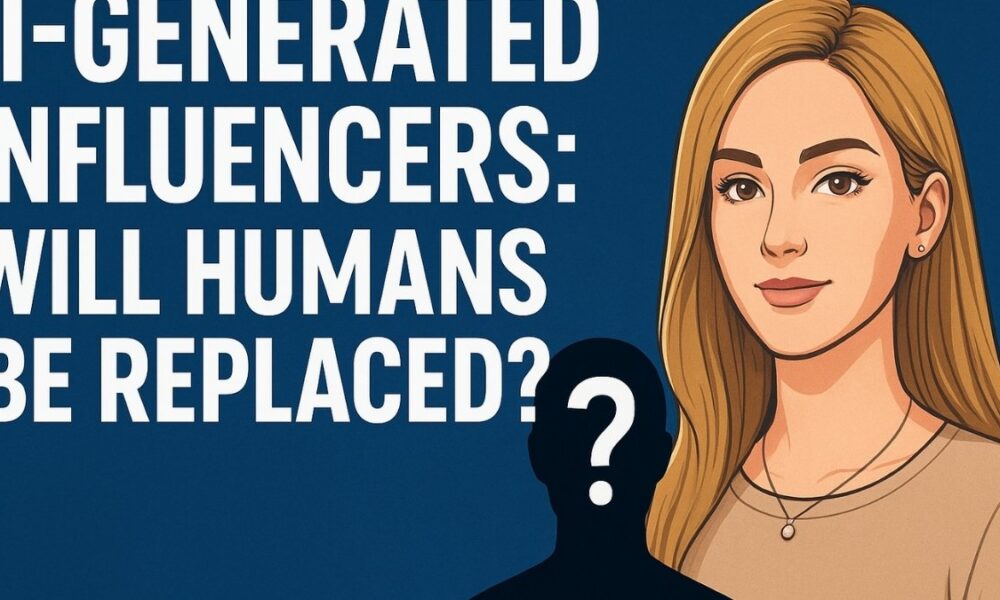
Social media is evolving faster than ever before. With advancements in Artificial Intelligence (AI), Augmented Reality (AR), Virtual Reality (VR), Blockchain/Web3, and Brain-Computer Interfaces (BCIs), the next decade will redefine how people communicate, collaborate, and monetize content online.
AI in Social Media
AI will be at the core of every future social platform:
- Personalization – Hyper-tailored feeds and recommendations.
- Automation – AI-powered editing, captions, music, and graphics.
- Analytics – Predictive insights for brands and creators.
- Moderation – Advanced filtering for harmful or misleading content.
AR & VR in Social Media
- AR filters, 3D avatars, and immersive brand experiences.
- VR concerts, events, and global networking in virtual spaces.
- Virtual shopping malls and digital commerce integrated into feeds.
- Mixed reality experiences for creators to tell stories in new ways.
Web3 & Blockchain Integration
- Decentralized Content Ownership – Users control their data.
- NFTs – New monetization channels for creators.
- Tokenized Economies – Reward-based participation instead of ad-heavy platforms.
- DAOs – Community-led governance models for social platforms.
Brain-Computer Interfaces (BCIs)
- Create posts and interact directly through thoughts.
- Brain-signal-based translation into content.
- Hands-free, immersive engagement in digital platforms.
- AI + BCI combined for next-gen interactive storytelling.
Opportunities for Creators & Brands
- AI-powered content creation and editing tools.
- Direct earning models through NFTs and tokens.
- Virtual influencers and AI avatars running campaigns.
- Multi-language reach with real-time AI translations.
Challenges Ahead
- Data privacy and security risks.
- Ethical concerns around AI avatars and BCIs.
- High infrastructure costs for AR/VR adoption.
- Managing misinformation at large scale.
- Risk of user fatigue from over-immersion.
Table: Future of Social Media Platforms (2026–2045)
| Technology | Role in Social Media | Benefits | Challenges |
|---|---|---|---|
| AI | Personalization, moderation, automation | Smart recommendations, predictive analytics | Bias, misinformation risks |
| AR | Filters, immersive shopping, 3D avatars | Interactive branding, creative engagement | Device accessibility, cost |
| VR | Virtual events, networking, communities | Global reach, immersive experiences | User adoption, expensive hardware |
| Web3/Blockchain | Content ownership, NFTs, DAOs | Creator monetization, decentralization | Regulation, user learning curve |
| BCIs | Thought-based interaction, hands-free posting | Revolutionary user experience | Privacy, ethical boundaries |
How AI Is Reshaping Social Media
AI is at the core of the future of social platforms. From content moderation and recommendation engines to hyper-personalized feeds, AI ensures that users get more relevant content than ever. For creators, AI tools streamline video editing, generate captions, and even automate entire content strategies. For brands, AI-driven analytics create smarter ad campaigns and predictive consumer insights.
Augmented Reality and Virtual Reality Integration
AR and VR are transforming social media into immersive experiences. AR-powered filters, virtual try-ons, and 3D storytelling allow creators to engage audiences in ways that feel more interactive. VR spaces are evolving into digital communities where people attend concerts, shop virtually, and even network professionally. This shift allows brands to move beyond static ads and enter into experiential marketing.
Blockchain and Web3 in Social Media
The rise of decentralized platforms ensures that users gain more control over their data, identity, and content ownership. NFTs and token-based economies allow creators to monetize directly without relying on ad revenue. Web3-driven social platforms will create opportunities for transparency, user empowerment, and decentralized governance.
Brain-Computer Interfaces: The Next Frontier
By 2035, Brain-Computer Interfaces (BCIs) could radically change how humans interact with social platforms. Users may one day post, comment, or even communicate simply through thought. For creators, this could mean producing content in real-time from imagination. For businesses, BCIs offer a futuristic way of collecting consumer insights and delivering instant engagement.
Opportunities for Creators and Brands
The fusion of AI, AR, VR, and Web3 gives creators and businesses unprecedented opportunities:
- Immersive storytelling with AR/VR.
- Direct monetization through decentralized platforms.
- Global audience expansion via AI-powered translation tools.
- Virtual influencers and AI avatars operating as 24/7 brand ambassadors.
Challenges Ahead
While the future is exciting, it also comes with challenges:
- Ethical questions about data privacy and authenticity.
- High costs of developing immersive AR/VR experiences.
- Regulatory hurdles for decentralized and AI-powered platforms.
- Risk of digital fatigue among users.
1. Hyper-Personalized Digital Identities
- AI-driven avatars will become our second identity.
- Every user may maintain multiple “digital selves” for work, gaming, and social interaction.
- Social platforms will create dynamic 3D identity ecosystems where brands and individuals interact in mixed realities.
2. Holographic Social Media
- By 2035, holographic projections will allow real-life conversations through AR glasses or hologram devices.
- Influencers could host holographic events in fans’ living rooms.
- Brands will launch holographic ads with 360-degree interaction.
3. AI-Generated Influencers & Digital Humans
- Entire influencer economies will shift to AI-generated personalities.
- These avatars will be multilingual, hyper-realistic, and scalable across platforms.
- A single AI influencer could run 24/7 global campaigns without rest.
4. Emotional AI & Sentiment-Adaptive Platforms
- Platforms will detect mood/emotion using facial recognition, voice tone, or typing style.
- Content feeds will auto-adapt to emotions—uplifting content when sad, calm feeds when stressed.
- Brands can use emotion-based marketing to deliver deeper engagement.
5. Immersive Social Commerce
- Shopping will shift from scrolling feeds to interactive VR malls.
- AI stylists and AR try-ons will personalize fashion and lifestyle shopping.
- Blockchain-based digital goods will integrate into both real-world and metaverse usage.
6. Decentralized Social Economies
- Creators won’t depend only on ads; they will build personal token economies.
- Social media will merge with DeFi (Decentralized Finance), enabling instant peer-to-peer payments.
- Platforms may function as mini-nations, with their own tokens and governance systems.
7. Neural & Thought-Based Interaction
- BCIs will allow hands-free control of platforms.
- Posting content, commenting, or liking could happen via direct thought commands.
- Advanced BCIs will enable shared thought-streams where groups exchange ideas instantly.
8. Cross-Reality Integration
- Social platforms will merge physical + virtual worlds.
- Example: Attending a wedding in real life while also broadcasting a VR version to a global audience.
- Dual engagement models: physical participation + digital presence at once.
9. Security, Ethics, and Governance
- Risks of identity theft of AI avatars will rise.
- Platforms will introduce AI governance systems where fake news, harmful avatars, or manipulated content will be auto-regulated.
- Governments will create global digital laws around AI, AR, and BCI-based platforms.
1. Quantum-Powered Social Platforms
- Quantum computing will make instant global interactions possible without lag.
- Social platforms will run predictive algorithms that can forecast user behavior with extreme precision.
- Personalized feeds will be customized in real-time, even predicting what content you’ll want before you search.
2. Sentient AI Companions on Social Media
- By 2045, some social platforms will host AI companions that act as friends, mentors, or even partners.
- They will remember history, moods, and habits, becoming lifelong digital allies.
- These companions will join group chats, interact in events, and may even develop personalities beyond their code.
3. Deep Multi-Sensory Social Media
- Social media won’t just be about visuals and sound—it will include smell, taste, and touch simulations.
- Imagine watching a food influencer’s video and actually smelling and tasting the dish via sensory tech.
- Brands will sell sensory-enhanced ads, increasing emotional impact.
4. Collective Shared Experiences
- Platforms will introduce “collective mind streams” where users experience events together through shared neural links.
- Example: Millions of fans watching a concert not just visually but feeling shared excitement in real-time.
- This could revolutionize politics, religion, and global events.
5. Time-Dilated Social Spaces
- With advanced VR and BCIs, social platforms will create time-dilated realities.
- Users could spend what feels like a week in VR, while only an hour passes in real life.
- This will boost learning, entertainment, and virtual social lives.
6. AI-Driven Global Governance via Platforms
- Social platforms may become global governance bodies, more influential than governments.
- AI moderation systems could enforce laws, ethics, and economic rules across billions of users.
- Digital citizenship may emerge, with people pledging loyalty to platforms rather than nations.
7. Cross-Species Communication Platforms
- With AI, social media may decode animal communication and create platforms where humans can “chat” with pets or wildlife.
- Brands may even use animal “influencers” powered by AI-generated translations of their behaviors.
- This creates eco-centric social ecosystems.
8. Immortal Digital Legacies
- Social platforms will allow humans to live on digitally after death.
- AI avatars, powered by memories, posts, and voice, will continue interacting with loved ones.
- By 2080, “digital immortality” could become normal—grandchildren chatting with great-grandparents’ AI avatars.
9. Planetary & Interplanetary Social Media
- With space colonization (Mars, Moon bases), platforms will create interplanetary communication networks.
- Users will engage in real-time cross-planet VR experiences despite distance.
- Brands will run ads targeting space settlers vs Earth residents differently.
10. AI-Created Reality Social Platforms
- The ultimate stage: platforms won’t just show content—they’ll create entire realities.
- Users can enter AI-generated universes tailored for them.
- Social interactions may happen in infinite worlds that exist only while you’re inside them.