
Social media trends
Social Media Communities in Crisis, Education, and Health: A Complete Guide!
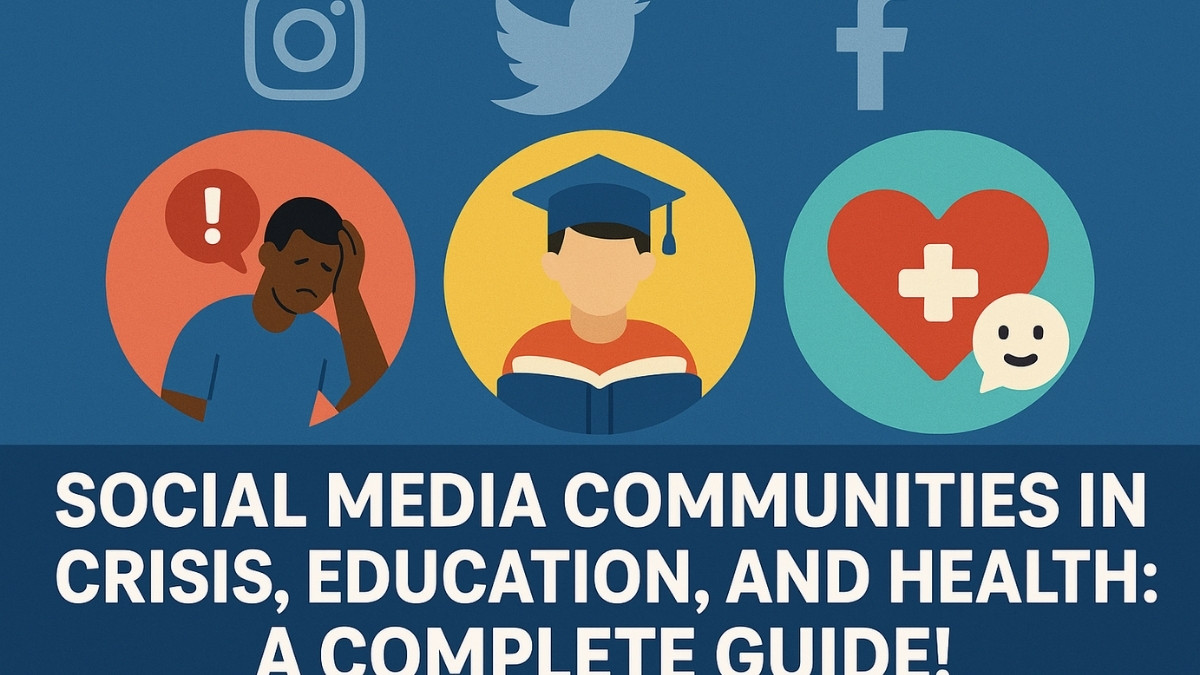
The concept of community has always been central to human society, but in the digital age, communities are no longer limited to physical spaces. Social media platforms have transformed how people connect, communicate, and collaborate, giving rise to online communities that cross borders, cultures, and time zones.
Comparison Table: Old Online Communities vs Modern Social Media Communities
| Aspect | Old Online Communities (Forums, Chat Rooms, Blogs) | Modern Social Media Communities (Facebook, Instagram, TikTok, Reddit, LinkedIn) |
|---|---|---|
| Accessibility | Limited to internet-savvy users with specific knowledge | Accessible to everyone with smartphones & apps |
| Content Type | Mostly text-based discussions | Multimedia: text, images, videos, live streams, reels |
| Scale of Audience | Small, niche-based groups | Global, millions of users with shared interests |
| Interaction | One-to-one or thread-based conversations | Real-time interaction, comments, likes, shares, live chats |
| Community Growth | Slow and limited | Fast, algorithm-driven discovery of communities |
| Business Use | Rarely used by brands | Central to digital marketing, influencer culture, and brand communities |
| Monetization | Nonexistent | Ads, memberships, donations, creator tools, e-commerce integration |
| Future Outlook | Outdated, replaced by modern platforms | Immersive, integrating AR, VR, and Web3 technologies |
Detailed Reading
1. The Evolution of Online Communities
In the early days of the internet, communities were confined to small groups on forums and chat rooms. Social media introduced multimedia content, wider reach, and instant engagement, making communities more vibrant and diverse.
2. Why Online Communities Matter Today
Online communities provide global connectivity, identity, belonging, and vital support systems. They also enable collective influence, shaping politics, business, and culture at an unprecedented scale.
3. Social Media Features Reshaping Communities
Social media platforms continuously add features like groups, live streams, algorithmic feeds, creator tools, and monetization options that redefine engagement.
4. Rise of Niche Communities
People increasingly prefer authentic, smaller, and specialized communities such as those on Reddit and Discord, which emphasize depth of interaction rather than scale.
5. Business and Brand Engagement
Brands leverage online communities for customer engagement, influencer collaborations, and community-driven marketing. This new approach builds trust and loyalty.
6. Challenges in Online Communities
Misinformation, toxic behavior, privacy issues, and over-commercialization remain major challenges. Platforms must ensure safe and meaningful spaces.
7. The Future of Communities
The future of online communities lies in AR, VR, Web3, and micro-communities. These technologies will make communities more immersive, secure, and user-driven.
New Sections for More Depth
8. Psychological Impact of Online Communities
Online communities have a significant impact on human psychology:
- Sense of belonging reduces loneliness.
- Positive reinforcement (likes, comments) boosts self-esteem.
- Shared experiences help in mental health awareness and peer support.
- However, negative comparison and online bullying can harm mental well-being.
9. Cultural Influence of Digital Communities
Social media communities are not just about conversations; they are shaping culture:
- Memes, trends, and viral challenges originate in online communities.
- Digital activism (e.g., climate change movements, #MeToo) spreads through communities.
- Cross-cultural exchanges create global awareness and empathy.
10. Education and Learning Communities
Platforms like LinkedIn Learning, Facebook study groups, and Reddit subforums provide spaces for:
- Skill sharing
- Peer-to-peer learning
- Collaborative projects
These communities help individuals grow professionally and personally.
11. E-commerce and Consumer Communities
Communities are directly influencing shopping behavior:
- Product reviews in groups impact purchase decisions.
- Influencers and brand communities drive loyalty.
- Social commerce (buying directly on platforms) is becoming mainstream.
12. The Role of AI and Algorithms
Artificial intelligence now determines how communities function:
- Recommendation systems suggest groups and discussions.
- AI moderation filters harmful content.
- Personalized feeds strengthen community engagement but may create echo chambers.
13. Case Studies of Influential Online Communities
Real-world examples show the true power of social media communities:
- Reddit – WallStreetBets (2021): A community of small investors used Reddit to influence stock markets (GameStop, AMC), proving how digital communities can impact global finance.
- #BlackLivesMatter Movement: Started on Twitter and spread globally through online communities, influencing laws, policies, and cultural change.
- Facebook Parenting Groups: Millions of parents rely on community groups for advice, support, and recommendations.
- Discord Gaming Communities: These platforms are now expanding beyond gaming into education, music, and professional collaboration.
14. The Role of Influencers as Community Leaders
Influencers are more than just content creators; they act as leaders of online communities:
- Build trust and authenticity with their followers.
- Create niche communities around lifestyle, fashion, gaming, or fitness.
- Drive conversations that brands and businesses later tap into.
15. The Economics of Online Communities
Online communities are not just social—they are economic ecosystems:
- Social Commerce: Buying directly through platforms like Instagram Shops or TikTok Shop.
- Affiliate Communities: Facebook groups or forums where users share deals and earn commissions.
- Creator Economy: Patreon, Substack, and YouTube memberships monetize community engagement.
- Virtual Goods & NFTs: Communities in gaming and Web3 trade digital assets as symbols of belonging.
16. Governance of Online Communities
As communities grow, rules and governance are necessary:
- Platforms appoint moderators to ensure healthy discussion.
- Decentralized communities (like DAOs in Web3) use blockchain governance, where members vote on decisions.
- Stricter content moderation policies are being introduced by major platforms to prevent misinformation and abuse.
17. Online Communities and Politics
Politics has been deeply impacted by social media communities:
- Election campaigns use Facebook groups, Twitter hashtags, and TikTok videos for voter outreach.
- Communities amplify protests, petitions, and political movements.
- At the same time, communities can also be exploited for spreading propaganda or fake news, making regulation necessary.
18. Technology Driving Future Communities
Several technologies will redefine the next stage of online communities:
- Virtual Reality (VR) & Augmented Reality (AR): Immersive community spaces like Meta’s Horizon Worlds.
- Web3 & Blockchain: Decentralized platforms where members control data and decisions.
- AI Communities: Personalized AI-driven forums where bots act as mentors or moderators.
- Metaverse Communities: Blending real and virtual worlds for work, education, and entertainment.
19. The Risks of Online Communities
Alongside opportunities, risks are also growing:
- Echo Chambers: Algorithms reinforce only one viewpoint, limiting exposure.
- Cyberbullying & Harassment: Negative behavior can discourage members.
- Scams & Fraud: E-commerce and investment scams spread in communities.
- Data Exploitation: Privacy remains a serious challenge as platforms collect user data.
20. The Human Side of Digital Belonging
Beyond technology and economics, the heart of online communities is still human connection:
- People find friendships, support networks, and even life partners.
- Vulnerable groups (patients, minorities, isolated individuals) find safe spaces.
- Communities give a voice to the unheard, turning digital spaces into platforms of empowerment.
21. The Role of Social Media in Crisis Communication
Online communities have proven essential during global crises:
- COVID-19 Pandemic: Communities on Facebook and WhatsApp shared health updates, vaccination drives, and local support networks.
- Natural Disasters: Twitter hashtags and Reddit forums provided real-time disaster response and relief coordination.
- War and Conflict: Online communities amplify humanitarian appeals, fundraising campaigns, and real-time news.
22. Generational Differences in Community Engagement
Different age groups engage with social media communities in unique ways:
- Gen Z: Prefers TikTok, Discord, and Snapchat communities; seeks quick, visual interactions.
- Millennials: Active on Instagram, LinkedIn, and Reddit; balance personal and professional communities.
- Gen X & Boomers: More engaged on Facebook groups and WhatsApp family circles; use communities for support and connection.
23. Measuring the Success of Online Communities
Platforms and brands track community success through:
- Engagement Rates (likes, comments, shares).
- Growth Metrics (new members, retention).
- Conversion Rates (sales, donations, or sign-ups).
- Sentiment Analysis (positive vs negative conversations).
This data-driven approach helps businesses and platforms understand community health.
24. Health & Wellness Communities
The health sector has seen massive growth in digital communities:
- Fitness Communities: Instagram and YouTube fitness creators build strong health communities.
- Mental Health Groups: Facebook, Reddit, and Discord host supportive spaces for mental wellness.
- Telemedicine Support: Patients share experiences and advice in disease-specific groups.
25. Education and Academic Communities
Social media is becoming a powerful tool in education:
- Students form study groups on WhatsApp and Telegram.
- LinkedIn groups connect professionals for mentorship.
- YouTube communities democratize learning with free tutorials and lectures.
- Discord servers host coding bootcamps, language exchange, and collaborative learning.
26. Cross-Border Collaboration
Online communities enable international collaboration like never before:
- Startups use Slack and Discord for global teamwork.
- Nonprofits coordinate international aid through Facebook groups.
- Artists and creators share work worldwide, building cross-cultural fan communities.
27. The Shift Toward Private Communities
While mass communities are still popular, there is a growing shift toward private, invite-only groups:
- WhatsApp and Telegram private groups are replacing public forums.
- Exclusive memberships on Patreon or Substack offer premium access.
- Private communities foster trust, exclusivity, and deeper engagement.
28. Role of Online Communities in Shaping Consumer Behavior
- Peer recommendations in communities influence buying more than ads.
- User-generated content (UGC) builds credibility for brands.
- Review-based communities (Amazon reviews, Trustpilot, Reddit) affect global markets.
29. The Balance Between Freedom & Regulation
One of the biggest debates around online communities is regulation:
- Freedom of Speech vs Harmful Content: Platforms struggle to balance open dialogue with safety.
- Government Policies: Countries like the UK and EU are introducing strict digital regulations.
- Community Guidelines: Platforms enforce rules to maintain respectful environments, but censorship concerns remain.
30. The Future Beyond Social Media
The definition of “online communities” may soon extend beyond social media:
- Metaverse Communities: Persistent, 3D, immersive worlds where communities work, play, and live.
- Decentralized Autonomous Organizations (DAOs): Blockchain-driven communities with shared ownership.
- Hybrid Communities: Blending offline and online interactions—like local meetups powered by online networks.




Social media trends
New Social Media Platforms Challenging Market Leaders in 2025–2026!
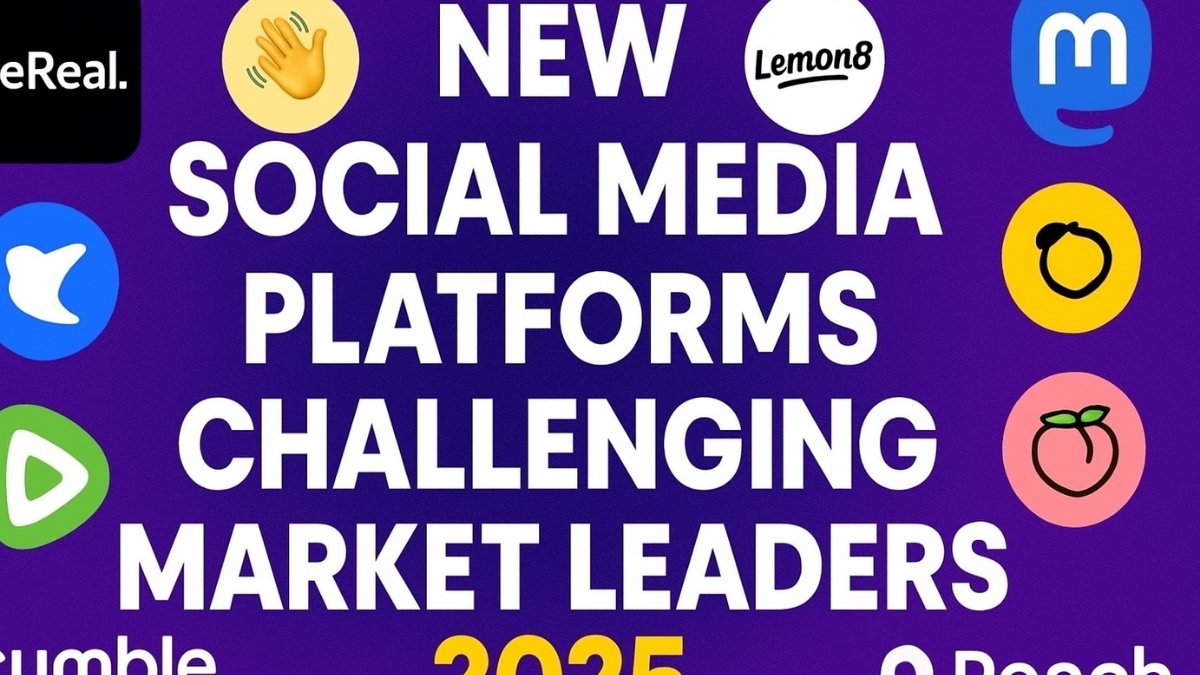
The social media world has entered a new era. For years, platforms like Facebook, Instagram, YouTube, Twitter (now X), and LinkedIn have defined how people connect, share, and market their ideas. But in 2025, a powerful shift is underway. A new generation of social media platforms is rising—offering authenticity, decentralization, privacy, and AI-driven innovation that are challenging the dominance of traditional market leaders.
These emerging platforms are not just trends; they are transforming how brands engage with audiences, how users interact with each other, and how digital influence works in a constantly evolving online ecosystem.
Why New Platforms Are Rising in 2025
- User Fatigue with Mainstream Networks – Oversaturated ads, algorithmic feeds, and reduced organic reach have driven users toward simpler, authentic experiences.
- Privacy & Decentralization – Growing concerns over data tracking and censorship have pushed users to explore decentralized and open-source platforms.
- Authenticity & Realness – Gen Z and Millennials prefer genuine, unfiltered content instead of the polished, curated culture of Instagram and YouTube.
- Niche & Micro-Communities – Smaller, interest-based groups offer deeper engagement than large, algorithm-driven feeds.
- AI and Web3 Integration – AI tools and Web3 infrastructure power smarter personalization, creative collaboration, and ownership of digital content.
- New Monetization Models – Emerging platforms give creators higher control and better revenue options compared to traditional ad-based systems.
Leading New Platforms Challenging Market Leaders
| Platform | Core Features | Why It’s Gaining Attention | Target Audience |
|---|---|---|---|
| BeReal | One unfiltered photo per day | Promotes authenticity and real-time sharing | Gen Z, authenticity-focused users |
| Mastodon | Decentralized, open-source social media | Ad-free, community-led alternative to Twitter (X) | Privacy-conscious audiences |
| Bluesky | Decentralized protocol built by Jack Dorsey | Competes with Twitter by prioritizing algorithmic transparency | Early adopters, developers |
| Lemon8 | Lifestyle and product discovery with integrated shopping | Combines Instagram visuals and Pinterest inspiration | Gen Z and Millennials |
| Hive Social | Hybrid of Twitter and Instagram with chronological feeds | Offers algorithm-free experience and inclusive design | Young creatives, content enthusiasts |
| Rumble | Video-sharing with fewer restrictions | Attracts creators seeking freedom from heavy moderation | Independent creators, vloggers |
| Clubhouse | Real-time audio discussions and networking | Encourages authentic voice interactions, competing with X Spaces | Thought leaders, professionals |
| Dispo | Disposable camera-style photo sharing | Creates nostalgia-driven, unedited photography experience | Gen Z, photography enthusiasts |
| Poparazzi | Tag friends instead of yourself | Counters self-promotion culture of Instagram | Teens, authentic content creators |
How These Platforms Challenge Market Leaders
- Facebook & Instagram: Losing younger audiences due to algorithmic fatigue and ad overload.
- YouTube: Facing competition from decentralized video networks and freer creative spaces like Rumble.
- Twitter (X): Challenged by Bluesky and Mastodon, which offer decentralized governance and no single ownership.
- TikTok: Still strong, but platforms like Lemon8 and BeReal target users who crave less pressure for perfection.
Key Growth Drivers Behind the Trend
- Privacy-First Movement: Users demand transparency in how data is collected and shared.
- Algorithm Rejection: People want chronological feeds and organic discovery.
- Decentralization: Platforms like Mastodon and Bluesky are paving the way for open, community-owned social spaces.
- Creator Empowerment: Direct monetization tools give influencers and small creators independence from ad-driven ecosystems.
- AI Integration: Smart recommendation systems and generative content tools help improve engagement and relevance.
Impact on Brands and Marketers
The fragmentation of social media means brands must adapt their marketing strategies. Instead of relying on one or two major networks, they need to explore multiple, niche platforms.
Key strategies for brands in 2025:
- Adopt Multi-Platform Marketing: Diversify brand presence beyond Meta and X.
- Prioritize Authentic Content: Real stories and user-generated content perform better than polished campaigns.
- Collaborate with Niche Influencers: Smaller communities deliver higher trust and engagement.
- Leverage AI Tools: Use AI analytics for personalized campaigns on emerging networks.
- Focus on Community Building: Brands that invest in genuine interaction rather than ads will win long-term loyalty.
Challenges for New Platforms
While the growth is promising, these platforms face obstacles:
- Monetization Sustainability – Building scalable ad or subscription models.
- User Retention – Keeping users active beyond initial curiosity.
- Platform Stability – Managing technical scalability and moderation challenges.
- Competition from Tech Giants – Established networks still have massive budgets and user bases.
Future of Social Media Beyond 2025
The future of social media will be shaped by decentralization, authenticity, privacy, and AI personalization. By 2030, it is expected that major brands will operate across at least five niche networks rather than relying on one or two dominant ones.
Predicted trends:
- Integration of AI-generated influencers and virtual personas.
- Expansion of Web3 and tokenized creator economies.
- Growth of immersive AR/VR social experiences.
- Stronger data ownership and transparency policies.
- Shift toward community-based micro-influencer ecosystems.
- Community-driven monetization (tokenized engagement and creator economies) will become mainstream.
Conclusion
2025 is not just another year in social media—it’s the turning point. A new wave of platforms is redistributing power from corporate giants to creators, users, and communities. Authenticity, decentralization, and transparency are no longer buzzwords—they are the new social currency.
1. The Great Platform Reset (2025 Edition)
In 2025, the social media landscape looks nothing like it did five years ago. The once-untouchable giants—Facebook, Instagram, X (Twitter), YouTube, and TikTok—are being forced to evolve as new entrants reshape user expectations.
The pandemic-era digital surge has settled, and users are seeking “less noise, more meaning.” This shift has fueled the rise of community-based, privacy-first, and AI-integrated platforms that prioritize human connection over algorithmic control.
Key 2025 Insight:
“Authenticity is no longer a trend — it’s a demand. Users trust creators who show imperfection, not perfection.”
— SocialTrends 2025 Report
2. The Fall of the Feed and Rise of Authentic Interactions
Traditional “infinite scrolling” feeds are losing their appeal. According to a Statista 2025 report, over 61% of Gen Z users prefer social experiences that feel intentional, time-limited, and socially rewarding.
This has driven growth in platforms with temporal content models — where posts disappear, refresh daily, or limit how often you can interact.
Examples:
- BeReal’s one-photo-a-day concept encourages real-time authenticity.
- Dispo captures delayed nostalgia by simulating disposable camera film.
- Locket lets users send real-time photos directly to widgets on friends’ screens.
These models reduce pressure and boost emotional engagement, giving users a sense of “presence” missing from algorithm-driven giants.
3. AI-Driven Platforms and Smarter Social Media
AI has become the backbone of next-gen platforms in 2025. Unlike old algorithms that controlled visibility, AI now powers personalization, content creation, and mental wellness filters.
Emerging AI integrations include:
- AI co-creators: Tools on Lemon8 and Bluesky allow users to auto-generate captions, layouts, and brand visuals.
- Emotional AI feeds: Hive and Locket use sentiment analysis to detect mood and tailor content accordingly.
- AI moderation: Platforms like Farcaster and Nostr use blockchain-backed AI tools to detect misinformation while preserving user rights.
2025 Trend Insight:
“AI in social media has shifted from manipulation to collaboration.”
— AI Journal, 2025 Edition
4. Monetization 2.0 — Creator Economies Redefined
Creators are no longer relying solely on ad-based monetization. The 2025 wave has introduced ownership-based models, powered by Web3 and direct community support.
| Monetization Model | Platforms Leading It | How It Works |
|---|---|---|
| Tokenized engagement | Farcaster, Nostr | Users earn tokens through activity & engagement. |
| Fan subscriptions | Hive, Lemon8 | Followers pay creators directly for exclusive access. |
| Decentralized tipping | Mastodon, Bluesky | Blockchain-based peer-to-peer rewards. |
| AI-collaboration earnings | BeReal, Clubhouse | Brands co-create content with AI and pay creators based on impact. |
Result: A more democratic, creator-led ecosystem where users earn not for attention, but for contribution.
5. Platform Analysis: The 2025 Contenders
| Platform | Key Feature Innovation (2025) | Main Advantage Over Market Leaders |
|---|---|---|
| BeReal | “BeReal Pro” allows dual camera video reactions. | Real-time authenticity vs curated Instagram. |
| Bluesky | “Algorithm Transparency Dashboard.” | Lets users customize their feed algorithms. |
| Hive Social | Built-in audio and visual journals. | Combines multiple media formats in one profile. |
| Lemon8 | Integrated eCommerce store for creators. | Monetization built into content discovery. |
| Mastodon | Seamless federation across 12,000+ servers. | Fully decentralized, ad-free communication. |
| Clubhouse 2.0 | AI summaries of live rooms. | Smarter engagement through voice indexing. |
| Rumble | Creator protection policy & brand-free monetization. | Appeals to free speech advocates. |
| Farcaster | Wallet-based identity and tokenized posts. | Gives creators ownership of their content. |
6. The Psychology Behind the New Wave
The new social media generation thrives on trust and relatability rather than aspiration.
Behavioral Patterns (2025):
- 73% of Gen Z say they prefer “real moments” over edited visuals.
- 60% of users report burnout from algorithmic feeds.
- 58% use at least one “non-mainstream” social app weekly.
- Community > Popularity: Niche groups on Hive and Mastodon see 4x higher engagement rates than traditional Instagram Reels.
This proves that micro-communities are the new mainstream.
7. Impact on Brands and Businesses
Brands can no longer rely on paid ads alone. The future of social media marketing in 2025 is community integration + creator authenticity.
Brand Opportunities:
- Co-create content: Partner with authentic micro-influencers on Hive, BeReal, and Lemon8.
- Private community building: Launch invite-only groups on Mastodon or Discord servers.
- AI-personalized campaigns: Use sentiment data to design mood-based ad strategies.
- Voice-first engagement: Run live sessions on Clubhouse and publish AI summaries for extended reach.
- Tokenized loyalty programs: Reward brand advocates through blockchain-backed engagement.
8. The Future — Social 3.0
By 2030, experts predict that Social Media 3.0 will merge AI, blockchain, and extended reality (XR) into one immersive ecosystem.
What to Expect:
- AI Influencers with real emotions powered by generative models.
- Virtual brand worlds on AR/VR social networks.
- User-controlled algorithms instead of corporate ones.
- Self-moderating communities governed through DAO-style voting.
In short: social media will evolve from a platform-based model to a people-based network of networks.
9. Expert Predictions for 2025–2030
| Prediction | By | Summary |
|---|---|---|
| Social media will fragment into 50+ thriving mid-sized communities. | HubSpot Trends Report 2025 | Decentralization will dominate the ecosystem. |
| 1 in 4 users will join a blockchain-powered social app. | CoinDesk Insight 2025 | Web3 meets community interaction. |
| AI-powered social assistants will replace scheduling tools. | TechRadar 2025 | Personalized automation will handle user engagement. |
| 40% of influencer marketing will shift to decentralized platforms. | InfluencerHub 2025 | Creator economy becomes fully independent. |
he social media industry is entering its most disruptive phase since the birth of Facebook in 2004.
In 2025, global audiences have shifted focus from popularity metrics to personal value, trust, and controlled engagement.
Users don’t just want to scroll — they want purpose-driven interaction.
Stat Snapshot (2025):
- 5.4 billion global users are active on at least one social platform.
- 49% of users say they are exploring at least one non-mainstream network.
- 62% of Gen Z users prioritize privacy and algorithm control over follower count.
- 78% of brands report declining engagement rates on Facebook and Instagram since 2023.
Result:
Legacy platforms are being forced to evolve — while new, agile networks like BeReal, Bluesky, Hive, and Lemon8 are rewriting the rules.
2. Why 2025 Is the Turning Point
a. Algorithmic Disillusionment
Users are tired of engagement traps and “influencer perfection.” The shift toward chronological feeds, unfiltered sharing, and AI-assisted relevance is defining the 2025 ecosystem.
b. Decentralization & Digital Ownership
Platforms like Mastodon, Nostr, and Farcaster allow users to own their data, followers, and content. Web3 protocols ensure that influence isn’t controlled by one company.
c. AI-Driven Evolution
Social AI now does more than suggest posts — it creates, analyzes emotion, and adapts in real time.
Hive, Bluesky, and Lemon8 are pioneering AI moderation and creator assistance, making user experience smoother and safer.
d. Creator Economy 3.0
Creators are demanding fair, transparent monetization — not dependent on ads.
In 2025, the creator economy is projected to hit $480 billion, with tokenized income models and AI partnerships fueling growth.
3. The New Platform Ecosystem: 2025 Overview
| Platform | USP | Audience Focus (2025) | Monetization Model | Projected Growth (2026) |
|---|---|---|---|---|
| BeReal | Daily authenticity challenge | Gen Z, college users | Brand collaborations, local ads | +28% |
| Lemon8 | Visual lifestyle + commerce | Gen Z & Millennial creators | Creator affiliate stores | +41% |
| Hive Social | Chronological hybrid feed | Creatives, photographers | Tip-based, AI ads | +35% |
| Bluesky | Decentralized microblogging | Tech-savvy, professionals | Creator verification fees | +48% |
| Mastodon | Federated open-source social | Privacy-conscious users | Community donations | +30% |
| Farcaster | Web3 social with wallets | Crypto & blockchain users | Tokenized engagement | +54% |
| Nostr | Bitcoin-integrated platform | Crypto creators, activists | Lightning-based tips | +60% |
| Rumble | Creator-controlled video | Alternative voices | Revenue share, subscriptions | +22% |
| Clubhouse 2.0 | AI-powered voice rooms | Thought leaders, coaches | Premium audio rooms | +31% |
| Locket | Private photo sharing | Teens, close groups | Subscription-based add-ons | +20% |
4. Regional Social Media Growth Trends (2025–2026)
| Region | Emerging Platforms | Growth Drivers | Challenges |
|---|---|---|---|
| North America | Bluesky, Rumble, Hive | Decentralization, free speech | Oversaturation & competition |
| Europe | Mastodon, BeReal | Privacy laws (GDPR), authenticity | Monetization limitations |
| Asia-Pacific | Lemon8, Locket | Lifestyle commerce & visual culture | Data localization & regulation |
| Middle East & Africa | Clubhouse, Hive | Youth creators & digital storytelling | Connectivity gaps |
| Latin America | BeReal, Farcaster | Gen Z adoption, influencer boom | Economic instability |
5. Social Media Monetization Revolution
Old Model vs. New Model
| Old Model (2015–2020) | New Model (2025–2026) |
|---|---|
| Ads & Sponsorships | Tokenized or direct community payments |
| Centralized Data | User-owned blockchain identities |
| One-way content | Co-creation and AI-assisted engagement |
| Brand control | Creator co-branding & micro-influence |
| Vanity metrics | Verified community impact indexes |
Insight:
By 2026, 70% of brands plan to use creator-led partnerships on smaller, emerging networks instead of Meta-owned apps.
6. The Rise of AI-Integrated Social Platforms
AI isn’t replacing humans — it’s redefining the human experience online.
Here’s how AI shapes social media in 2025–26:
- AI Personal Feed Curation: Lemon8 and Hive analyze emotion and mood before suggesting posts.
- Generative AI Tools: Platforms now provide auto-captioning, video editing, and trend analysis tools for creators.
- AI Moderation Systems: Mastodon and Bluesky use community-trained AI models to maintain healthy discussion.
- AI Personas: BeReal and Clubhouse are testing AI companions for creators to manage engagement 24/7.
Stat:
AI integration in social apps has improved engagement by 33% and reduced spam/misinformation by 42% in 2025.
7. Brand and Marketing Evolution
How Brands Can Leverage New Platforms (2025–26):
- BeReal for Raw Campaigns: Showcase “behind-the-scenes” content and team authenticity.
- Hive Social for Visual Storytelling: Use mood-based layouts to humanize products.
- Bluesky for Thought Leadership: Publish transparent updates and interact with communities directly.
- Lemon8 for Lifestyle Branding: Integrate products into organic creator content.
- Mastodon for Ethical Branding: Build privacy-first communities around brand purpose.
- Clubhouse for B2B Marketing: Host expert talks and industry discussions.
8. The Rise of Micro-Communities and Private Spaces
Public broadcasting is dying; community-driven networking is the future.
By 2026, private digital circles—subscription-based, closed communities—will drive 50% of social engagement.
Example Trends:
- Hive Spaces: Private discussion rooms for content niches.
- Mastodon Servers: Brand-led federations that serve localized audiences.
- Lemon8 Clubs: Creator-based stores with community loyalty rewards.
Data:
Micro-community members are 5x more likely to engage in brand advocacy than casual social followers.
9. The Future (2026–2030): Social Media 3.0 Roadmap
Predicted Shifts:
- Decentralized ID Integration: Users will carry their digital identity across apps.
- AI Agents for Creators: Autonomous systems will manage engagement and scheduling.
- Immersive AR Spaces: Meta and Lemon8 launching 3D shopping experiences.
- Community DAOs: Users will vote on platform policies using tokens.
- Universal Monetization Wallets: One account will manage earnings across multiple apps.
10. Challenges Ahead
Despite progress, the new era faces real hurdles:
- Platform Fragmentation: Too many apps splitting audience attention.
- Regulatory Pressure: Governments tightening control on Web3 data flow.
- Trust Gap: Users wary of AI and decentralized moderation.
- Economic Sustainability: Smaller platforms struggling with ad-free revenue models.
Conclusion: The Great Digital Rebalance
The social media revolution of 2025–2026 isn’t about replacing the old giants — it’s about redefining connection.
Users want control, clarity, and community.
Brands that invest in authenticity and adaptability today will dominate tomorrow.
The future of social media isn’t centralized.
It’s personal, participatory, and powered by people — not algorithms.
1. The Era of Reinvention: Social Media’s Great Reset
The social media industry is entering its most disruptive phase since the birth of Facebook in 2004.
In 2025, global audiences have shifted focus from popularity metrics to personal value, trust, and controlled engagement.
Users don’t just want to scroll — they want purpose-driven interaction.
Stat Snapshot (2025):
- 5.4 billion global users are active on at least one social platform.
- 49% of users say they are exploring at least one non-mainstream network.
- 62% of Gen Z users prioritize privacy and algorithm control over follower count.
- 78% of brands report declining engagement rates on Facebook and Instagram since 2023.
Result:
Legacy platforms are being forced to evolve — while new, agile networks like BeReal, Bluesky, Hive, and Lemon8 are rewriting the rules.
2. Why 2025 Is the Turning Point
a. Algorithmic Disillusionment
Users are tired of engagement traps and “influencer perfection.” The shift toward chronological feeds, unfiltered sharing, and AI-assisted relevance is defining the 2025 ecosystem.
b. Decentralization & Digital Ownership
Platforms like Mastodon, Nostr, and Farcaster allow users to own their data, followers, and content. Web3 protocols ensure that influence isn’t controlled by one company.
c. AI-Driven Evolution
Social AI now does more than suggest posts — it creates, analyzes emotion, and adapts in real time.
Hive, Bluesky, and Lemon8 are pioneering AI moderation and creator assistance, making user experience smoother and safer.
d. Creator Economy 3.0
Creators are demanding fair, transparent monetization — not dependent on ads.
In 2025, the creator economy is projected to hit $480 billion, with tokenized income models and AI partnerships fueling growth.
3. The New Platform Ecosystem: 2025 Overview
| Platform | USP | Audience Focus (2025) | Monetization Model | Projected Growth (2026) |
|---|---|---|---|---|
| BeReal | Daily authenticity challenge | Gen Z, college users | Brand collaborations, local ads | +28% |
| Lemon8 | Visual lifestyle + commerce | Gen Z & Millennial creators | Creator affiliate stores | +41% |
| Hive Social | Chronological hybrid feed | Creatives, photographers | Tip-based, AI ads | +35% |
| Bluesky | Decentralized microblogging | Tech-savvy, professionals | Creator verification fees | +48% |
| Mastodon | Federated open-source social | Privacy-conscious users | Community donations | +30% |
| Farcaster | Web3 social with wallets | Crypto & blockchain users | Tokenized engagement | +54% |
| Nostr | Bitcoin-integrated platform | Crypto creators, activists | Lightning-based tips | +60% |
| Rumble | Creator-controlled video | Alternative voices | Revenue share, subscriptions | +22% |
| Clubhouse 2.0 | AI-powered voice rooms | Thought leaders, coaches | Premium audio rooms | +31% |
| Locket | Private photo sharing | Teens, close groups | Subscription-based add-ons | +20% |
4. Regional Social Media Growth Trends (2025–2026)
| Region | Emerging Platforms | Growth Drivers | Challenges |
|---|---|---|---|
| North America | Bluesky, Rumble, Hive | Decentralization, free speech | Oversaturation & competition |
| Europe | Mastodon, BeReal | Privacy laws (GDPR), authenticity | Monetization limitations |
| Asia-Pacific | Lemon8, Locket | Lifestyle commerce & visual culture | Data localization & regulation |
| Middle East & Africa | Clubhouse, Hive | Youth creators & digital storytelling | Connectivity gaps |
| Latin America | BeReal, Farcaster | Gen Z adoption, influencer boom | Economic instability |
5. Social Media Monetization Revolution
Old Model vs. New Model
| Old Model (2015–2020) | New Model (2025–2026) |
|---|---|
| Ads & Sponsorships | Tokenized or direct community payments |
| Centralized Data | User-owned blockchain identities |
| One-way content | Co-creation and AI-assisted engagement |
| Brand control | Creator co-branding & micro-influence |
| Vanity metrics | Verified community impact indexes |
Insight:
By 2026, 70% of brands plan to use creator-led partnerships on smaller, emerging networks instead of Meta-owned apps.
6. The Rise of AI-Integrated Social Platforms
AI isn’t replacing humans — it’s redefining the human experience online.
Here’s how AI shapes social media in 2025–26:
- AI Personal Feed Curation: Lemon8 and Hive analyze emotion and mood before suggesting posts.
- Generative AI Tools: Platforms now provide auto-captioning, video editing, and trend analysis tools for creators.
- AI Moderation Systems: Mastodon and Bluesky use community-trained AI models to maintain healthy discussion.
- AI Personas: BeReal and Clubhouse are testing AI companions for creators to manage engagement 24/7.
Stat:
AI integration in social apps has improved engagement by 33% and reduced spam/misinformation by 42% in 2025.
7. Brand and Marketing Evolution
How Brands Can Leverage New Platforms (2025–26):
- BeReal for Raw Campaigns: Showcase “behind-the-scenes” content and team authenticity.
- Hive Social for Visual Storytelling: Use mood-based layouts to humanize products.
- Bluesky for Thought Leadership: Publish transparent updates and interact with communities directly.
- Lemon8 for Lifestyle Branding: Integrate products into organic creator content.
- Mastodon for Ethical Branding: Build privacy-first communities around brand purpose.
- Clubhouse for B2B Marketing: Host expert talks and industry discussions.
8. The Rise of Micro-Communities and Private Spaces
Public broadcasting is dying; community-driven networking is the future.
By 2026, private digital circles—subscription-based, closed communities—will drive 50% of social engagement.
Example Trends:
- Hive Spaces: Private discussion rooms for content niches.
- Mastodon Servers: Brand-led federations that serve localized audiences.
- Lemon8 Clubs: Creator-based stores with community loyalty rewards.
Data:
Micro-community members are 5x more likely to engage in brand advocacy than casual social followers.
9. The Future (2026–2030): Social Media 3.0 Roadmap
Predicted Shifts:
- Decentralized ID Integration: Users will carry their digital identity across apps.
- AI Agents for Creators: Autonomous systems will manage engagement and scheduling.
- Immersive AR Spaces: Meta and Lemon8 launching 3D shopping experiences.
- Community DAOs: Users will vote on platform policies using tokens.
- Universal Monetization Wallets: One account will manage earnings across multiple apps.
10. Challenges Ahead
Despite progress, the new era faces real hurdles:
- Platform Fragmentation: Too many apps splitting audience attention.
- Regulatory Pressure: Governments tightening control on Web3 data flow.
- Trust Gap: Users wary of AI and decentralized moderation.
- Economic Sustainability: Smaller platforms struggling with ad-free revenue models.
Social media trends
Social Media’s Future: Personalized, Immersive, and Decentralized!
Social media platforms have become the digital foundation of our lives — shaping how we connect, create, and consume content. But as we move toward 2030, the landscape of social platforms is expected to change drastically. New technologies, user behaviors, and AI-driven personalization are setting the stage for a new digital era.
This post explores which social media platforms are likely to lead by 2030 and how they’re redefining online interaction, business growth, and community building.
The Evolution Towards 2030
Social media has evolved from simple networking sites to AI-powered ecosystems that deliver personalized experiences, integrate shopping, and support immersive digital realities. The next decade will be marked by hyper-automation, decentralization, and mixed-reality engagement.
| Era | Defining Feature | Leading Trend |
|---|---|---|
| 2010–2020 | Rise of influencers & video content | Engagement through short-form media |
| 2020–2025 | AI algorithms & creator economy | Personalized content & micro-communities |
| 2025–2030 | Web3 & immersive experiences | Decentralized platforms & AR/VR integration |
Top Platforms Poised to Dominate by 2030
1. TikTok 2.0 – Beyond Short Videos
TikTok’s evolution will likely make it a comprehensive entertainment platform integrating livestream shopping, VR concerts, and AI-generated creators. The app will serve as a hybrid between YouTube, Netflix, and a marketplace — powered by advanced AI curation.
2. Meta (Facebook, Instagram, Threads)
Meta is shifting toward a metaverse-driven ecosystem with AR/VR connectivity, 3D avatars, and immersive commerce. By 2030, Meta could dominate virtual social interaction, using AI for content moderation and personalization.
3. YouTube – The Global Knowledge Hub
YouTube continues to evolve as a learning + entertainment hybrid, investing heavily in AI-driven recommendations and immersive content formats. Long-form video education and influencer partnerships will make YouTube even more powerful.
4. X (formerly Twitter)
Under its new vision, X is becoming a super-app, integrating content, payments, and commerce. By 2030, it could rival WeChat by enabling social transactions, news, and live interactions within a single ecosystem.
5. LinkedIn
Professional networking will evolve into AI-based skill-matching and virtual hiring environments. LinkedIn may integrate AI mentors, digital portfolios, and immersive interview experiences in VR spaces.
6. Snapchat & AR-Native Platforms
Snapchat’s investment in AR will push it into the augmented social space, merging digital overlays with physical environments. Future social media will blur boundaries between real and virtual interactions.
7. Decentralized & Web3 Platforms (e.g., Lens Protocol, Mastodon)
Web3 social platforms will allow data ownership and decentralized communities, breaking free from ad-based models. Users will earn directly from engagement via blockchain-based rewards.
8. AI-Driven Platforms (e.g., Character.ai, Replika)
By 2030, conversational AI will play a major role. AI companions and synthetic influencers will redefine “social” by building emotionally intelligent digital relationships.
9. Niche Community Networks
Specialized platforms for creators, gamers, educators, and entrepreneurs will grow rapidly. People will prefer authentic, interest-based connections over massive, generic networks.
10. Emerging Platforms (BeReal, Lemon8, and Beyond)
These platforms are focusing on authenticity and micro-engagement. They may not lead in size, but will dominate niche influence markets through trust and relatability.
Predictions for 2030 Social Media Landscape
| Key Factor | Impact on Social Media |
|---|---|
| Artificial Intelligence | Personalized experiences & predictive engagement |
| Augmented/Virtual Reality | Immersive content & digital avatars |
| Blockchain Technology | Data ownership & transparency |
| Creator Economy | Direct monetization & niche audiences |
| Digital Wellbeing | Mindful engagement & balanced consumption |
What Users Can Expect by 2030
- Smarter content curation through AI.
- Data ownership via blockchain and Web3 systems.
- More immersive experiences using AR/VR.
- Decentralized platforms empowering users.
- Personalized community building instead of mass broadcasting
1. The Shift from Centralized Control to User Ownership
One of the biggest paradigm shifts by 2030 will be the decentralization of social media.
Users will no longer want large corporations to own their data or monetize their activity. Instead, Web3-based platforms will give people ownership and control over their digital identities, content, and revenue streams.
Examples:
- Lens Protocol and Farcaster already allow creators to own their content permanently via blockchain.
- Mastodon and Bluesky offer decentralized alternatives to X (Twitter).
- By 2030, mainstream users will demand privacy, transparency, and autonomy.
This shift will make data ethics a major competitive factor — platforms that prioritize trust and privacy will win.
2. The Rise of “Super-Apps”
By 2030, the line between social media, e-commerce, and financial tools will blur completely.
Inspired by China’s WeChat, global tech giants like Meta, TikTok, and X (Twitter) are moving toward super-app ecosystems.
Super-App Features:
- Messaging, content, and payments in one place
- Integrated marketplaces and live shopping
- On-platform banking and creator monetization tools
- Mini-programs (games, utilities, and services)
This evolution means users won’t need multiple apps — one platform will do everything from chatting to shopping to streaming.
Expect X (formerly Twitter) and TikTok to lead this transformation in the West.
3. AI-Powered Social Experiences
AI is already shaping how we consume content, but by 2030 it will co-create experiences.
Social media will be intelligent, interactive, and emotionally aware.
What to Expect:
- AI Avatars: Users will have digital versions of themselves for meetings, entertainment, and social spaces.
- AI Creators: Synthetic influencers (like Lil Miquela or Aitana Lopez) will dominate brand collaborations.
- Predictive Feeds: AI will understand emotions and show content that matches a user’s mood in real time.
- Smart Content Moderation: AI will detect hate speech, fake news, and manipulated media instantly.
AI won’t just recommend content — it will create it with you.
4. Immersive Reality: AR, VR, and the Metaverse Merge
The 2030 internet will be immersive, spatial, and interactive.
Social media will move beyond screens into augmented and virtual spaces where users can socialize, shop, and work in digital environments.
Trends to Watch:
| Technology | Description | Impact on Users |
|---|---|---|
| AR Glasses (Apple, Meta, Samsung) | Replace phone screens with smart, real-world overlays | Social media becomes part of daily life |
| Virtual Social Worlds | Users join persistent 3D environments | Avatars replace profile pictures |
| Digital Twins & Avatars | Personalized virtual versions of real users | Immersive communication and identity expression |
| Metaverse Commerce | Virtual stores and experiences integrated into social apps | Shopping + interaction merge seamlessly |
Platforms like Meta Horizon Worlds, Roblox, and Niantic’s AR network are already laying the groundwork for this transformation.
5. The Creator Economy 3.0
By 2030, the creator economy will be worth over $500 billion.
Creators will no longer rely on ads — they’ll earn directly through NFT-based ownership, micro-subscriptions, and blockchain tipping.
Features of the 2030 Creator Economy:
- AI tools for editing, scripting, and analytics
- Community-owned revenue pools
- Smart contracts for automatic brand payments
- Token-based memberships for fans
Platforms like YouTube, TikTok, Patreon, and decentralized networks will compete to give creators maximum independence and data transparency.
6. Digital Wellbeing and the “Slow Social” Movement
After years of algorithmic addiction, users are becoming more aware of digital fatigue.
By 2030, social media will see a major cultural shift toward mindful engagement and mental wellness.
Future Changes:
- Platforms will introduce time-balanced content feeds.
- AI wellness assistants will monitor usage patterns and recommend breaks.
- “Slow Social” apps like BeReal and Locket will inspire authentic interactions instead of endless scrolling.
- Governments may introduce “digital health” regulations for social platforms.
Social media will evolve from “attention economy” to “value economy.
7. Sustainability and Social Responsibility
2030’s leading platforms will be expected to operate ethically — reducing data energy consumption, fighting misinformation, and promoting sustainability.
| Focus Area | Platform Action | Outcome |
|---|---|---|
| Energy Efficiency | Use green data centers | Eco-friendly digital ecosystems |
| Ethical AI | Transparent algorithms | Fair content distribution |
| Community Impact | Promote verified activism | Real-world positive outcomes |
Brands and creators will be judged not just by engagement but by social impact.
8. Platforms Most Likely to Lead by 2030
| Platform | Key Strength | Future Outlook (2030) |
|---|---|---|
| TikTok | AI, entertainment, commerce integration | Super-app leader for Gen Z & Alpha |
| Meta (Instagram, Threads) | AR/VR, metaverse innovation | Dominant in virtual social spaces |
| YouTube | Creator ecosystem & education | Global hub for learning & long-form content |
| AI-driven career networking | Metaverse-based professional world | |
| X (Twitter) | All-in-one super app | Payment + content + live interaction powerhouse |
| Snapchat | Augmented Reality leadership | Strong youth-focused AR community |
| Web3 Platforms (Lens, Mastodon) | Decentralization & ownership | Trusted privacy-first ecosystems |
9. Challenges for the Future of Social Media
| Challenge | Impact | Possible Solution |
|---|---|---|
| Data Privacy | Trust decline | Blockchain verification |
| Deepfakes & AI content | Fake information | Authenticity validation tools |
| Algorithm Bias | Unfair exposure | Transparent AI systems |
| Digital Fatigue | Reduced engagement | “Slow Social” design models |
| Over-centralization | User distrust | Decentralized governance |
The platforms that overcome these challenges will define the next decade of digital civilization.
10. The Road Ahead: 2030 and Beyond
The social media of the future won’t be just about sharing — it will be about experiencing.
The rise of immersive digital communities, creator-owned economies, and AI-driven personalization will redefine the way humans interact online.
By 2030:
- Social media = digital lifestyle ecosystems
- Content = co-created with AI
- Identity = multi-layered (real + virtual)
- Monetization = direct and transparent
- Communities = global but hyper-personalized
Social media trends
AI, Commerce & Community: The Future of Social Platforms!
Social media has become the heartbeat of digital communication, marketing, and online communities. Every year, platforms evolve, algorithms change, and new trends reshape the way people connect, share, and influence. In 2025, the competition between global social networks is fiercer than ever.
From established giants like Facebook and Instagram to rising platforms like Threads and BeReal, the digital world is witnessing a new era of user engagement. Businesses, influencers, and marketers are closely observing these platforms to maximize their reach and build stronger connections with their audiences.
In this post, we’ll explore the Top 10 Social Media Platforms that are dominating the global stage in 2025 — based on popularity, features, innovation, and user activity.
1. Facebook – The Long-Standing Leader
Despite being over two decades old, Facebook continues to dominate with billions of active users worldwide. It remains the top choice for businesses and advertisers due to its vast audience segmentation and advertising tools.
Key Highlights:
- Over 3 billion monthly active users
- Advanced AI-driven ad targeting
- Integration with Meta’s ecosystem (Instagram, Threads, WhatsApp)
Why It Still Leads:
Facebook’s strength lies in its versatility — from personal communication to e-commerce, communities, and brand marketing.
2. YouTube – The Video Powerhouse
YouTube remains the most powerful video platform globally. In 2025, YouTube Shorts has grown rapidly, competing directly with TikTok and Instagram Reels.
Key Highlights:
- 2.7+ billion active users
- New AI-assisted content recommendations
- Enhanced monetization for creators through YouTube Partner Program
Why It Dominates:
Its vast creator economy and reliable monetization system keep YouTube ahead as the go-to platform for long and short-form video content.
3. Instagram – The Visual Storytelling Platform
Instagram continues to redefine visual communication. In 2025, Reels, Stories, and in-app shopping features dominate user engagement.
Key Highlights:
- Over 2 billion active users
- AI-driven recommendations through Explore and Reels
- Enhanced creator marketplace for brand collaborations
Why It Dominates:
Instagram’s continuous innovation in creator monetization and e-commerce integration helps it stay among the top three social media platforms globally.
4. TikTok – The Short-Form Video Giant
TikTok revolutionized digital content consumption and continues to lead short-form video trends in 2025.
Key Highlights:
- 1.7 billion active users globally
- In-app TikTok Shops expanding across regions
- Creator tools powered by generative AI
Why It Dominates:
TikTok’s unique algorithm ensures virality and helps both new and established creators gain visibility quickly.
5. WhatsApp – The Global Messenger
Owned by Meta, WhatsApp has evolved beyond messaging. In 2025, it’s now a key business tool, supporting product catalogs, payments, and customer service automation.
Key Highlights:
- 2.5 billion monthly active users
- WhatsApp Business API for enterprises
- Enhanced privacy and end-to-end encryption
Why It Dominates:
Its simplicity, speed, and reliability make it the top communication platform globally, especially in emerging markets.
6. LinkedIn – The Professional Network Powerhouse
LinkedIn has transformed from a job-seeking site into a content-driven professional platform. In 2025, it’s the hub for thought leadership, B2B marketing, and industry networking.
Key Highlights:
- 1 billion+ professionals
- Creator Mode for influencers and educators
- AI-assisted career development tools
Why It Dominates:
It remains the most trusted social platform for professionals and business networking.
7. X (Twitter) – The Real-Time News Engine
Now rebranded as X, this platform remains the go-to place for real-time updates, opinions, and viral conversations.
Key Highlights:
- 600+ million active users
- Monetization through subscriptions and ad revenue sharing
- Integration of audio spaces and long-form posts
Why It Dominates:
Its real-time nature makes it invaluable for news, politics, and instant global discussions.
8. Snapchat – The AR and Gen Z Favorite
Snapchat maintains its stronghold among Gen Z audiences. In 2025, it has expanded its augmented reality (AR) tools and creator features.
Key Highlights:
- 750 million active users
- Enhanced AR filters and lenses
- New monetization programs for creators
Why It Dominates:
Its focus on creativity, privacy, and innovation keeps young audiences highly engaged.
9. Pinterest – The Visual Discovery Platform
Pinterest continues to grow as a leading visual search engine and e-commerce driver.
Key Highlights:
- 500+ million monthly active users
- AI-powered visual search and personalized pin recommendations
- Shopping integration for brands and creators
Why It Dominates:
Pinterest combines inspiration with action — users discover, plan, and purchase directly from pins.
10. Threads – The Fastest-Growing Newcomer
Launched by Meta, Threads has rapidly become a top choice for real-time conversation and content sharing, competing with X (Twitter).
Key Highlights:
- 250+ million users in less than 2 years
- Seamless integration with Instagram
- Focused on text-based and conversational content
Why It Dominates:
Threads’ connection with Instagram and privacy-focused ecosystem make it a serious contender for top social platforms.
Table: Top 10 Social Media Platforms 2025 Overview
| Rank | Platform | Active Users (2025 est.) | Key Strength | Core Audience |
|---|---|---|---|---|
| 1 | 3B+ | Ads, communities, versatility | Global (all ages) | |
| 2 | YouTube | 2.7B+ | Video content, monetization | Creators, brands |
| 3 | 2B+ | Reels, e-commerce, visuals | Millennials, Gen Z | |
| 4 | TikTok | 1.7B+ | Short videos, virality | Gen Z, creators |
| 5 | 2.5B+ | Messaging, business tools | Global users | |
| 6 | 1B+ | Professional networking | Professionals, B2B | |
| 7 | X (Twitter) | 600M+ | Real-time news | Media, thought leaders |
| 8 | Snapchat | 750M+ | AR filters, creativity | Gen Z |
| 9 | 500M+ | Visual search, shopping | Creators, shoppers | |
| 10 | Threads | 250M+ | Conversations, Meta ecosystem | Gen |
Future Predictions for Social Media (2026 and Beyond)
- AI-Generated Influencers: Virtual creators will dominate ad campaigns.
- Voice & Audio Expansion: Platforms will shift from visuals to voice-based engagement.
- Privacy-First Algorithms: Data protection laws will reshape how platforms collect and recommend content.
- Integration with Metaverse: Facebook, YouTube, and TikTok will expand into immersive VR environments.
- Social Commerce Explosion: Direct purchases within posts will become mainstream.
Social Media Trends Defining 2025–2030
- AI-Generated Influencers will dominate brand deals.
- Social Commerce Integration will replace traditional e-commerce websites.
- Regional Platforms (e.g., Lemon8, WeChat, Koo) will rise in Asia and Africa.
- Data Transparency & Privacy Tools will reshape content algorithms.
- Immersive 3D Social Worlds through AR/VR will merge gaming with networking.
1. Facebook (Meta) – The All-in-One Digital Empire
Despite competition, Facebook (now under the Meta umbrella) continues to lead, powered by AI automation, cross-platform integration, and metaverse expansion.
2025 Developments:
- Meta AI Reels uses predictive analytics for content discovery.
- “Meta Business Suite 3.0” integrates Facebook, Instagram, and WhatsApp ads.
- Horizon Worlds adds mixed reality experiences for businesses and creators.
Monetization:
- Ads, Meta Pay, Subscription Groups, and Creator Revenue Programs.
- AR ad formats increased 45% engagement rate in Q2 2025.
Stats:
- 3.2 Billion Active Users
- 78% of businesses use Meta for marketing.
Regional Dominance:
Asia-Pacific (India, Indonesia, Pakistan), North America, MENA.
2. YouTube – The Global Content Marketplace
YouTube remains the #1 long-form + educational video platform, transitioning into a complete AI-driven creator ecosystem.
Key 2025 Upgrades:
- AI Dubbing & Translation Tools allow creators to publish in 10+ languages.
- “YouTube Studio 2025” includes AI thumbnail generator & title optimizer.
- YouTube Shopping merges affiliate links directly into videos.
Creator Economy Stats:
- Over 60 million creators earn through monetization tools.
- Shorts engagement up by 40% year-over-year.
Revenue Sources:
Ads, Super Thanks, YouTube Premium, Shopping Partnerships.
Regional Growth:
India, U.S., Brazil, Indonesia.
3. Instagram – The Visual Economy Powerhouse
Instagram has solidified its position as the central hub for social commerce, creators, and AI marketing.
Latest Updates (2025):
- “Reels Ranking 2.0” rewards engagement duration instead of likes.
- AI Creative Studio for instant caption, color grading, and visual effects.
- 3D Try-On Shopping via AR integrated with Meta Pay.
Key Stats:
- 2.3 Billion Users
- 58% of all social purchases occur on Instagram.
Monetization Streams:
Reels Bonus, Creator Marketplace, Brand Collaborations, Shopping.
Predicted 2030 Role:
Instagram becomes the #1 digital storefront for e-commerce businesses worldwide.
4. TikTok – The Entertainment Engine of the Internet
TikTok’s cultural dominance continues with hyper-personalized AI trends and real-time content forecasting.
AI Innovations:
- Predictive content tools suggest viral ideas before they peak.
- “Creator Insights Hub” offers performance analytics in real-time.
- TikTok Music lets users earn royalties for audio tracks.
Creator Revenue:
- Brand partnerships + “TikTok Pulse Premium” = $10B+ creator payouts in 2025.
- E-commerce revenue up 90% YoY due to TikTok Shop.
Global Hotspots:
SEA, MENA, U.S., and Europe.
2030 Prediction:
TikTok to evolve into a hybrid platform for music, shopping, and entertainment — the Netflix of short videos.
5. WhatsApp – The Global Business Communication Channel
WhatsApp dominates as the world’s largest private communication and business transaction platform.
Major Innovations:
- AI Smart Replies for businesses and customer service.
- WhatsApp Pay and Catalog expansion in 50+ new countries.
- Verified Business Channels for brands & creators.
Why It Dominates:
- 2.7 Billion Monthly Users
- 80% open rate on business messages
- 1.4 Trillion annual transactions via WhatsApp Pay
Regional Strength:
South Asia, Africa, Latin America.
6. LinkedIn – The AI-Driven Career Network
LinkedIn is now a B2B marketing, recruitment, and thought leadership powerhouse.
2025 Upgrades:
- “LinkedIn AI Recruiter” automates talent search.
- AI-generated professional portfolios and content scoring tools.
- Creator Accelerator 3.0 boosts visibility for industry experts.
Monetization:
Premium Subscriptions, LinkedIn Ads, Learning Courses, Influencer Partnerships.
Key Figures:
- 1.1 Billion Users
- 65% of B2B leads originate on LinkedIn.
2030 Prediction:
LinkedIn will become a decentralized career hub using blockchain-based skill verification.
7. X (Twitter) – From Microblogging to Media Powerhouse
Rebranded as “X”, it’s evolving into an integrated media, payment, and communication platform.
Key 2025 Developments:
- “X Pay” supports crypto and fiat transactions globally.
- Long-form articles & podcasts introduced.
- AI moderation ensures transparency in political and news content.
Monetization:
Ad revenue sharing, X Premium subscriptions, TipJar, and commerce tools.
User Base:
640 Million Active Users.
2030 Vision:
A super-app combining media, payments, and identity verification.
8. Snapchat – The AR and Gen Z Innovation Hub
Snapchat leads in AR creativity and youth engagement, expanding its lens technology to education, shopping, and entertainment.
2025 Highlights:
- “Lens Cloud AI” lets brands build interactive AR campaigns.
- Snap Spotlight competes with TikTok through incentive-based creator rewards.
- Virtual AR fashion try-ons with major brands (Nike, Zara).
User Base:
780 Million Monthly Active Users.
2030 Prediction:
Snapchat will merge with wearable AR devices, becoming an “always-on visual platform.”
9. Pinterest – Visual Discovery Meets AI Shopping
Pinterest continues to grow as a creative search and buying platform powered by advanced AI.
Upgrades:
- “Pinterest Predicts 2025” forecasts emerging interests 12 months ahead.
- Visual Lens 3.0 scans real-world items to suggest purchase links.
- AI mood boards integrate with Amazon and Shopify.
Key Stats:
- 520 Million Users
- 70% Female Audience

New Social Media Platforms Challenging Market Leaders in 2025–2026!

Threads vs X: The Final War Between Emotion and Intelligence!

The Sentient Shift: How Synthetic Minds Are Teaching AI to Feel!

Facebook | Connect | Share & Grow
Hello world!
